


Introduction
Designing a mobile phone shop might seem like a big, expensive task—but it really doesn’t have to be. In fact, some of the most attractive and successful mobile shops are built on simple, smart design choices rather than big budgets. Whether you’re starting your own store from scratch or just thinking about giving your existing shop a little refresh, this guide is here to help.
A well-designed mobile shop is more than just a place to sell phones. It’s a space where customers feel comfortable walking in, browsing freely, asking questions, and making confident buying decisions. And if the space looks good? Even better. A sleek layout, clean wall displays, and a well-lit front can make a small mobile shop feel bigger, more professional, and more trustworthy.
But let’s be real—not everyone can afford a high-end interior designer or custom-built counters. That’s why we’re focusing on simple mobile shop designs, especially those that work on a low budget. We’ll explore ideas for your shop’s interior, wall layout, front display, and even share tips for combining practicality with personality.
Throughout this article, you’ll discover how to use space wisely, which design elements are worth investing in, and where you can save without compromising on looks or function. Whether your shop is in a busy market street or a cozy corner in a mall, the right design can seriously boost foot traffic and customer satisfaction.
So grab a pen, or just bookmark this page—we’re diving into a full list of creative, realistic, and affordable mobile shop design ideas that can transform your business from basic to brilliant.
Simple Mobile Shop Design – Functionality Meets Elegance
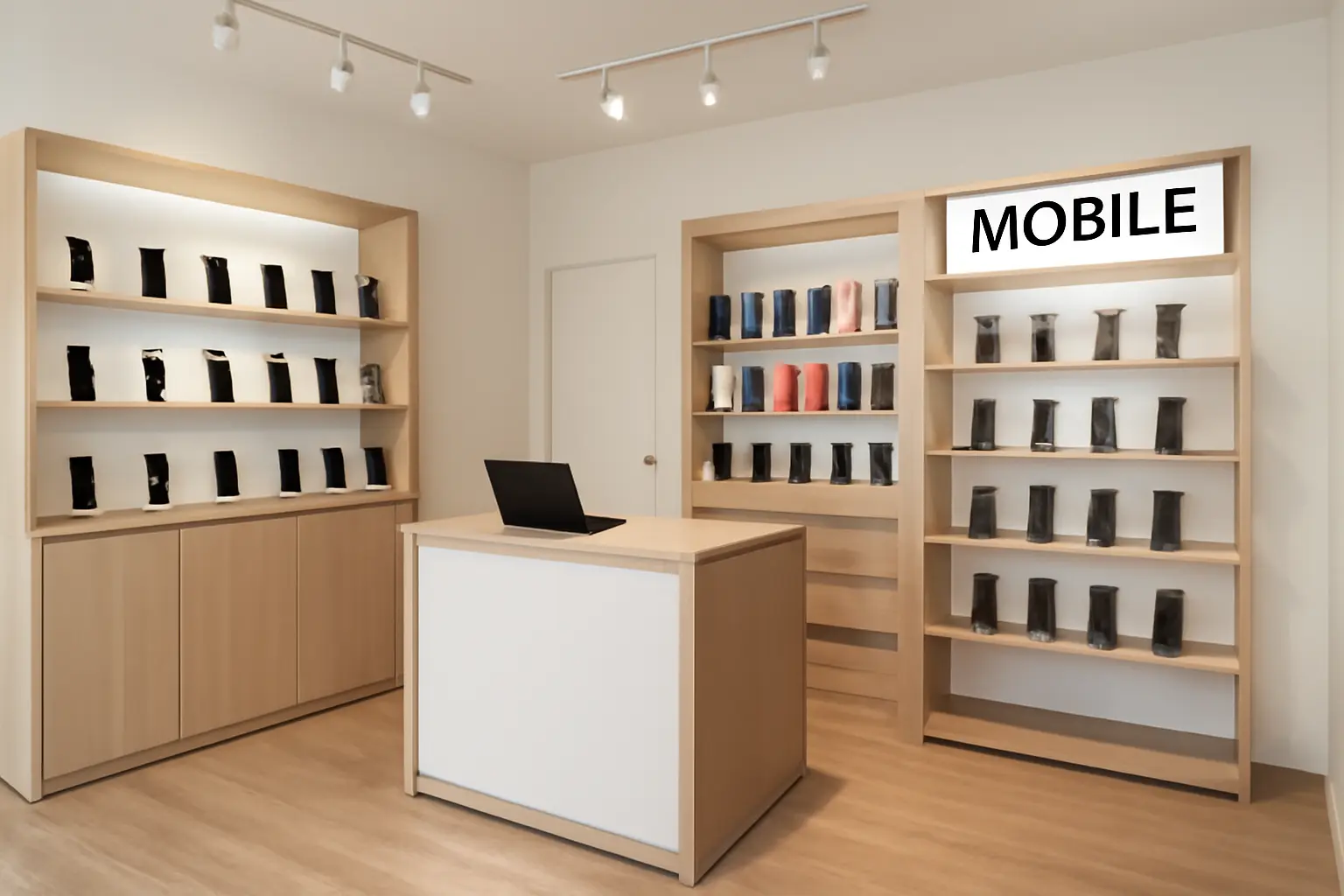
When you think about designing a mobile shop, it’s easy to get caught up in the idea that “more is better.” But that’s not always true. In fact, many of the best-looking and most functional mobile phone shops follow a simple and elegant design approach. It’s not just about appearance—it’s about creating a space that helps your customers feel comfortable, focused, and eager to buy.
A simple mobile shop design focuses on clean lines, clutter-free displays, and smart organization. Think about it—when someone walks into a mobile store, they’re already looking for something tech-related. They don’t want distractions; they want clarity. A simple layout makes it easier for them to locate products, browse accessories, and speak to a salesperson without feeling overwhelmed.
What makes this kind of design elegant is the way you use space. Even a small shop can feel open and welcoming if you arrange things wisely. Use modular furniture, floating shelves, and neutral color schemes like white, grey, or beige to keep the space feeling light and modern. Add a splash of your brand color through signage or lighting, and boom—you’ve got personality without the chaos.
Another thing that matters: lighting. Simple designs shine (literally) when you use soft, focused lighting instead of harsh overhead bulbs. Highlight your product displays, keep the checkout counter tidy, and make sure pathways are wide enough for two people to comfortably pass.
The best part? It’s cost-effective. You don’t need marble counters or custom-made cabinets. Simplicity allows you to spend less and still look professional. Plus, customers tend to trust shops that look neat and modern.
At the end of the day, elegance isn’t about extravagance. It’s about smart design, thoughtful details, and making every inch of your space work for you.
What Makes a Mobile Shop “Simple” Yet Stylish?
Creating a mobile shop that’s both simple and stylish is all about finding the sweet spot between function and flair. You’re not aiming for luxury, and you’re definitely not going for boring. The goal is to craft a space that looks neat, professional, and a little bit cool—without trying too hard or spending too much.
First things first: simplicity starts with layout. A stylish mobile shop doesn’t have to be huge or filled with fancy displays. What it does need is clarity. Think clearly marked sections—phones on one side, accessories on another, and maybe a small service or billing counter tucked neatly at the back or in a corner. Keep things symmetrical if you can, and leave walking space in between. It makes the shop look more open and organized.
Now let’s talk style. It doesn’t mean chandeliers or shiny tiles. In fact, style often shows up in subtle choices: a matte-finish wooden counter, black metal wall racks, a plant in the corner, or even a nicely printed brand poster behind the main counter. Clean typography on signage, warm LED strip lights around shelves, or a soft background wall color—like pastel green or muted grey—can completely change the vibe.
Materials also matter. Instead of going for glossy surfaces that get fingerprints all over them, choose matte textures, light woods, or even simple laminate finishes that are affordable and look great.
Don’t forget branding. A simple logo printed on the glass entrance or a clean signboard at the top tells people who you are. It’s stylish without being loud.
So yes, simplicity and style can definitely coexist. If done right, a simple design can make your mobile shop look modern, trustworthy, and far more high-end than its budget would suggest.
You may also like to read these posts:
How to Design the Perfect Fashion Show Set: Ideas, Themes, and Inspirations
Creative and Trendy Fashion Show Themes: Ideas, Designs & Competition Tips
Fashion Designing Course Syllabus: Unlocking Career Opportunities in Fashion
Fashion Designer Interview Questions Answers
Space Optimization Ideas for Small Mobile Shops
When you're working with a small mobile shop, every inch matters. And honestly, it’s not about how much space you have—it’s about how well you use that space. Small shops can feel cozy and organized instead of cramped, but only if you’re strategic. Let’s talk about how to make it happen.
Start by thinking vertically. Most shop owners focus too much on floor space and ignore their walls. Big mistake. You can use vertical wall-mounted shelves, grid panels, or even pegboards to display phones, covers, chargers, and other accessories. It keeps products visible and frees up the floor.
Next, choose multipurpose furniture. Your main counter? Make it double as a storage unit. Your display table? Let it have drawers or cabinets underneath. Avoid bulky, heavy counters that take up too much room. Instead, go for slim, movable units that can be shifted when needed.
Also, define clear zones. It doesn’t matter if your shop is just one small room—you can still divide it mentally. One zone for mobiles, one for accessories, one for billing. Even just placing a rug or using different shelf colors can help separate areas. This kind of visual zoning makes the space feel structured and easier to navigate.
Mirrors can also help. A few well-placed mirrors on walls or display cabinets can make the shop feel larger and brighter—a small visual trick that works wonders.
And finally, keep the clutter out. Only display bestsellers or high-demand items upfront. Tuck the rest in drawers or storage. When customers walk in and see a clean, open space, it gives a premium feel—even if the shop is tiny.
Remember: small doesn’t mean limited—it just means smarter planning. Done right, a small shop can feel just as impactful as a large showroom.
Must-Have Elements in a Minimalist Mobile Store
So, you’ve decided to go for a minimalist mobile shop design. Great choice! It’s clean, modern, and often more appealing to customers who appreciate a clutter-free shopping experience. But minimalism doesn’t mean “empty.” It’s about including only the essentials that truly add value—nothing more, nothing less.
First on the list: a sleek and functional display area. Whether it's floating shelves or glass cabinets, the way you showcase your phones and accessories should be organized and consistent. Keep similar models together, use subtle product tags, and don’t overcrowd. Less is more.
Next, you need a compact and stylish billing counter. In minimalist stores, this is usually placed near the entrance or in one corner. It should blend in with the rest of the design—maybe a matte white counter or a wooden finish with hidden wiring for devices and POS machines. Keep the surface clean, no stacks of boxes or scattered papers.
Lighting is another must-have. Use warm white LED spotlights over the display sections and softer lighting in walking areas. If possible, add some under-shelf lighting to highlight accessories—it gives a classy feel without being flashy.
You also can’t skip wall branding. A simple vinyl logo or an acrylic backlit sign behind your billing counter adds a strong identity to the space. It looks professional and doesn’t take up extra room.
And here’s a trick that often gets overlooked: neutral tones. Whites, greys, soft pastels—they make spaces look bigger and calmer. Add a small indoor plant or two for a touch of life. Not necessary, but definitely elevates the ambiance.
In the end, a minimalist mobile shop should feel open, intentional, and welcoming. If a customer can walk in, find what they need, and leave with a smile—you nailed it.
Mobile Shop Interior Design Low Budget Solutions
Let’s face it—most new shop owners don’t have deep pockets when they start out. And that’s okay. A tight budget doesn’t mean you have to settle for a dull or disorganized shop. In fact, some of the smartest and most creative mobile shop interiors come from working within limited means. It just takes a little imagination, some research, and a willingness to get your hands a bit dirty.
First, let’s talk about materials. Skip the expensive woodwork and marble counters. Instead, go for laminate plywood, MDF, or even repurposed pallets. These materials are light on your wallet and still offer a neat, modern finish when polished well. For racks and shelves, metal frames with wooden or acrylic panels can give you a classy look without the luxury cost.
Paint plays a huge role too. A couple of cans of matte-finish paint in a soft shade—like white, cream, or grey—can instantly brighten your space and make it look bigger and cleaner. Stay away from shiny finishes or dark colors unless your space gets a lot of natural light.
DIY is your best friend here. Whether it’s assembling shelves, painting the walls, or installing LED strip lights, doing it yourself can save tons. Look for YouTube tutorials or Pinterest boards for design ideas you can recreate with minimal tools.
Also, don’t try to display every item at once. Rotate your displays every few weeks to keep things fresh and focused. Less clutter = more attention on the products that matter.
Lastly, bargain smart. Local carpenters or secondhand furniture sellers can surprise you with quality pieces at half the price. A low-budget interior isn’t about cutting corners—it’s about maximizing value in every decision you make.
Designing on a Budget – Where to Save and Where to Spend
Designing your mobile shop on a budget doesn’t mean cutting corners—it means spending smart. You have to know where it’s okay to save a little and where spending a bit more actually adds long-term value. It’s a balancing act, but once you get the hang of it, the results can be surprisingly good.
Let’s start with where you can save. The most obvious area? Display racks and shelves. You don’t need fancy glass enclosures or custom cabinetry. Open shelving made from MDF or low-cost plywood works just fine and can be made to look premium with a bit of paint or lamination. Also, avoid buying brand-new furniture if possible—secondhand or upcycled pieces can be just as sturdy and cost half as much.
Lighting is another spot where you can save without losing style. Instead of expensive overhead lights, go for LED strip lights or clip-on spotlights. They’re cheap, energy-efficient, and create a great ambiance around your product displays.
Now, where should you spend? One word: branding. Your signboard, logo placement, and maybe one strong design feature—like a branded counter backdrop or custom wall decal—are worth investing in. These are the first things a customer notices and they shape your shop’s identity. Another spot to consider is the billing counter. It's where every customer ends their visit, so it should look reliable, clean, and organized.
Also, spend a little on organization tools like drawer dividers, cable holders, and small storage boxes. They keep your shop tidy and reduce daily stress.
In short, save on cosmetics, spend on function and identity. That way, you’ll still stay within budget and walk away with a space that looks like a professional, well-thought-out business—not a cheap compromise.
Low-Cost Materials That Look Premium
Believe it or not, you don’t need expensive tiles, fancy wood, or imported panels to make your mobile shop look high-end. What you really need is to know which budget-friendly materials can give a premium feel without stretching your wallet. It’s all about how you choose, combine, and finish the materials.
One of the most popular options is laminated MDF (Medium-Density Fiberboard). It’s much cheaper than real wood but can be finished to look just as classy. Go for wood grain textures or soft matte laminates for a modern and polished effect. It's perfect for counters, wall shelves, or even side cabinets.
PVC panels are another great pick—lightweight, waterproof, and available in a wide range of textures and patterns. You can use them for wall cladding, ceiling accents, or behind your billing counter as a feature wall. Some even come in marble or wood-look finishes that really elevate your space.
For the flooring, skip the tiles and go for vinyl sheet flooring. It’s cheap, easy to install, and comes in clean patterns like wood, stone, or neutral grays. Plus, it’s easy to maintain—which is a huge win for a busy retail store.
When it comes to lighting fixtures and display frames, black powder-coated metal is a trendy, affordable alternative. It looks industrial and modern, and it holds up well in daily use. Combine it with wood or acrylic and you’ve got a sleek display that rivals even high-budget stores.
Lastly, don’t underestimate wall paint. Matte or eggshell finish in neutral tones gives an elegant, calming vibe. Add a few clean graphics or decals to personalize it.
Remember, premium isn’t about cost—it’s about perception. The right materials used in the right way can completely transform a space without breaking the bank.
Smart Lighting & Layout Hacks for Interior Appeal
Lighting can make or break the look of your mobile shop. Even if your layout is perfect and the materials are great, poor lighting will dull everything down. On the flip side, clever lighting—combined with smart layout decisions—can elevate even a low-budget design into something that feels premium.
Start with this simple rule: layer your lighting. Use a mix of ambient, task, and accent lighting. For general visibility, go with warm white LED ceiling lights—they’re energy efficient and give a welcoming glow. Then, for focused areas like product shelves or the billing counter, use track lights or clip-on spotlights. These add drama and attention without burning a hole in your pocket.
LED strip lights are a fantastic hack for display racks. Place them under shelves or behind acrylic boards to make accessories and smartphones stand out. You can get rolls of strip lights online at very affordable prices, and they’re super easy to install. It’s a small touch that gives a modern showroom vibe.
When it comes to layout, one tip is to keep the center space open. Push racks to the walls, keep displays vertical, and use corners wisely. A cramped shop instantly feels chaotic. But a well-planned layout—even in a small space—can feel calm and spacious. Try an L-shape or U-shape arrangement so customers can flow through the shop without confusion.
Another underrated trick is using mirrors strategically. A mirror placed at the back of a narrow shop creates the illusion of depth and doubles the light effect. Just one mirror can change how spacious your shop feels.
Combine all of this and you’ve got a store that looks bigger, brighter, and more expensive than it really is. It's not magic—it’s just using light and layout to your advantage.
You may also like to read these posts:
Jatki Lehenga Online Shopping: Find the Best Zatki Lehenga Options at Affordable Prices
Simple Mobile Shop Design Ideas – Low Budget, Interior & Front Wall Concepts
Sustainable Fashion Influencers: The Complete 2025 Guide
First Shopping Mall in India: The Game Changer
Mobile Shop Front Design That Pulls Customers In
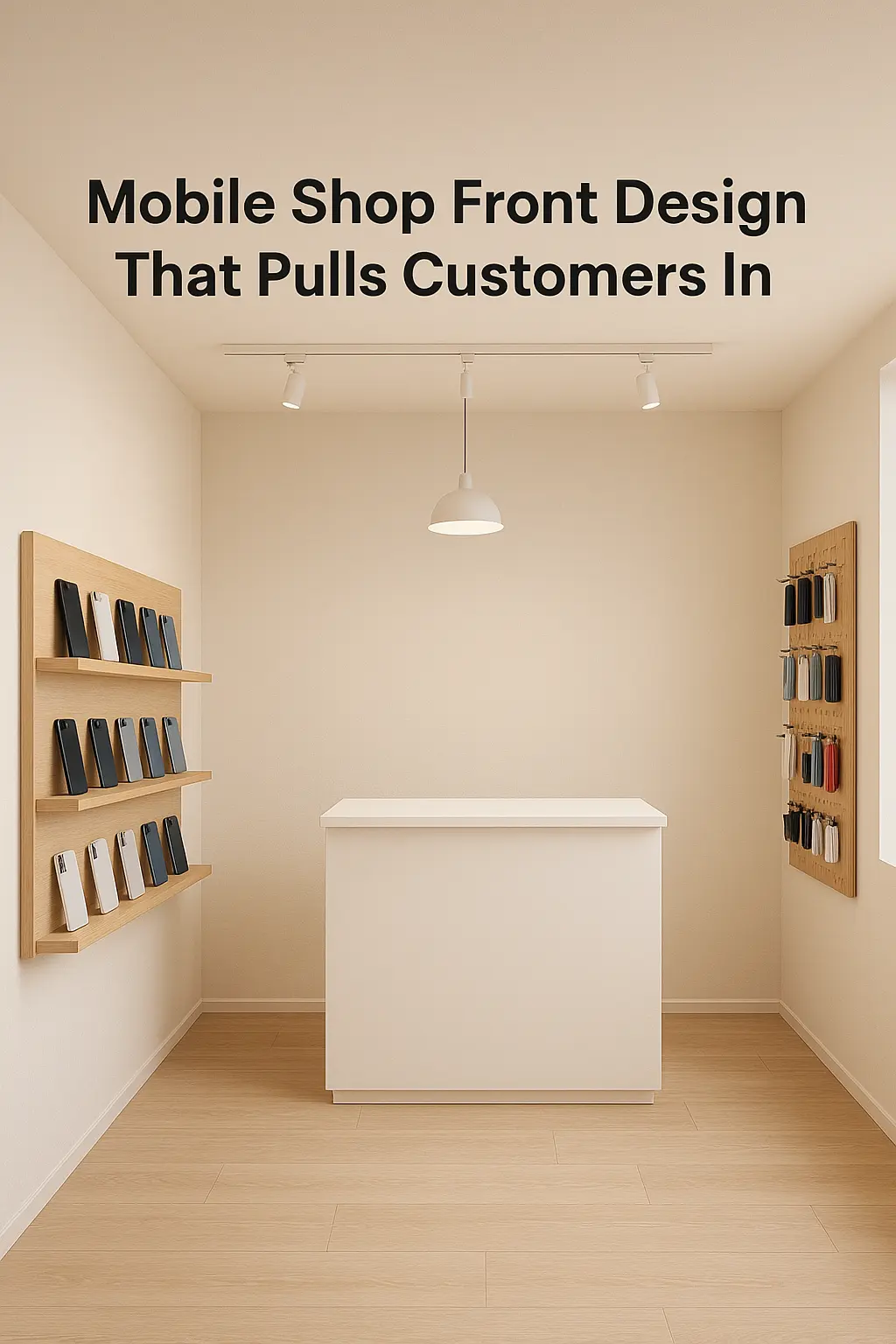
Your shop’s front is your first handshake with a potential customer—it’s the first impression, and it absolutely matters. Whether someone is walking down a market lane or scrolling on Google Maps, the front design of your mobile shop is what can stop them in their tracks and make them say, “Let’s check this place out.”
A good mobile shop front doesn’t need to be flashy, but it does need to be clear, inviting, and recognizable. That starts with signage. Use bold, readable fonts for your brand name, and make sure it’s visible from a distance. Backlit acrylic boards are a cost-effective way to stand out, especially during evening hours. If you can’t go for backlit, even a well-printed vinyl board with proper lighting works just fine.
Glass fronts are a great choice if you want to showcase your interior. They offer a modern, open feel and allow people to peek in and see your clean layout and featured products. Just make sure it’s kept clean and smudge-free—nothing ruins a first impression like dirty glass.
Color also plays a big role. Stick to two to three brand colors that reflect your business identity. Neutral base colors like white, grey, or beige can be paired with bold accents—like orange, blue, or black—for that striking visual balance.
Another underrated touch? Lighting outside the store. A few downward-facing LED spotlights can bring attention to your entrance and make it pop after sunset.
And remember: your front should also feel accessible, not intimidating. Keep entrances open and uncluttered. A small stand with featured offers or a digital display screen can also boost foot traffic.
A well-thought-out front design is more than decoration—it’s an invitation. And the better that invitation looks, the more likely people are to walk in.
Front Design Tips for Small vs. Large Shops
Whether your shop is tucked into a tight corner or spread out on a busy main road, the front design has to fit the size of your space. What works for a large store can overwhelm a small one, and vice versa. Let’s break it down with tips tailored to both small and large mobile shops.
For small shops, the goal is to maximize visibility without overcrowding. Use glass doors and windows to open up the look and allow passersby to see your interior—even if the space inside is limited. Keep your signboard short, bold, and clean. You don’t need extra words like “Best Mobile Phones in Town”—your shop name and maybe a logo are enough.
Also, avoid clutter. Don’t place banners, stickers, or posters all over the front glass—it blocks visibility. Instead, keep one neat poster about offers or a digital display for rotating deals. Even a simple standee with “Latest Models Available” can do the job.
For larger shops, you have more freedom—but that doesn’t mean you should overdo it. Use your wide frontage to segment visually—maybe one glass panel for branding, one for product display, and one for entry. You can also add LED screen panels, which are great for showcasing your latest inventory or running digital ads.
Consider using color and lighting to guide the eyes. A strong color frame around the entry door can act like a natural visual magnet. And with bigger shops, placing two entry doors—one for entrance and one for exit—helps manage flow better, especially during busy hours.
No matter the size, one thing remains true: your front design is your silent salesperson. So make it speak clearly, look sharp, and feel welcoming—whether you have 100 sq. ft. or 1,000.
Signage, Glass Panels & Lighting – What Works Best?
When it comes to attracting foot traffic, these three elements—signage, glass panels, and lighting—play a major role. They’re not just visual details; they’re how your shop communicates with people before they even step inside. Getting them right can make the difference between a customer walking in—or walking past.
Let’s start with signage. Your signboard is your identity, so don’t treat it like an afterthought. The best signage is simple, bold, and readable from a distance. Use a clear font and stick to 2–3 colors. If you’re tight on budget, a high-quality vinyl board with a matte finish will look neat and professional. If you can spend a little more, go for backlit acrylic signage—they look clean and shine even at night, giving your store a more premium vibe.
Now let’s talk glass panels. Full-glass fronts are trendy for a reason. They make your shop look more open, modern, and honest—people can see exactly what’s inside. This transparency builds trust. But remember, glass needs regular cleaning and a little care to keep looking fresh. For privacy or branding, you can use frosted film on the lower half, or apply your logo as a transparent vinyl cutout.
Finally, lighting is where the magic happens. Exterior spotlights aimed at your signboard, soft lights along the shop’s border, or even LED strips around the entrance frame can completely change your front’s feel. Avoid harsh white lights—they can be blinding. Instead, use warm white or daylight LEDs, which are softer on the eyes and more inviting.
These three elements should work together—signage grabs attention, glass builds curiosity, and lighting makes everything pop. You don’t need to spend a fortune, but you do need to plan smart. Done right, your storefront will silently say, “Come on in. We’re worth a look.”
How to Blend Brand Identity with Aesthetic Appeal
Creating a mobile shop that looks good is one thing—but making sure it also reflects your brand identity is where true impact happens. Think of your brand like your shop's personality. Is it friendly and budget-friendly? Sleek and premium? Youthful and tech-savvy? Your front design and interior style should reflect that vibe. And the key is finding a way to do it without sacrificing the shop’s visual appeal.
Start with your logo and brand colors. If your brand uses blue and white, don’t suddenly throw in red and green just because you found a cheaper paint color. Stick to your color scheme across the signboard, walls, furniture accents, and even employee uniforms if possible. This consistency helps people recognize and remember you, even if they’re just passing by.
Then there’s your shop name and tagline. If you don’t have one yet, create a short tagline that tells people what you do or stand for—like “Smartphones. Smarter Prices.” Place it under your shop name on the front board or on a glass sticker at the entrance. It adds personality and professionalism without extra cost.
Inside the shop, you can use small touches to reinforce your identity: custom posters showing your best deals, digital screens with your logo playing in a loop, or branded covers and accessories near the billing counter. These tiny elements make the space feel “yours”—not just another random mobile shop.
But don’t overdo it. Aesthetic appeal still matters. Keep things clean, visually balanced, and avoid clutter. Think like a customer: would you trust a shop that screams its branding on every wall but forgets to keep things neat?
When done right, blending brand identity with aesthetics creates a space that’s not only beautiful—but memorable, trustworthy, and emotionally engaging.
Mobile Shop Wall Design for Display & Utility
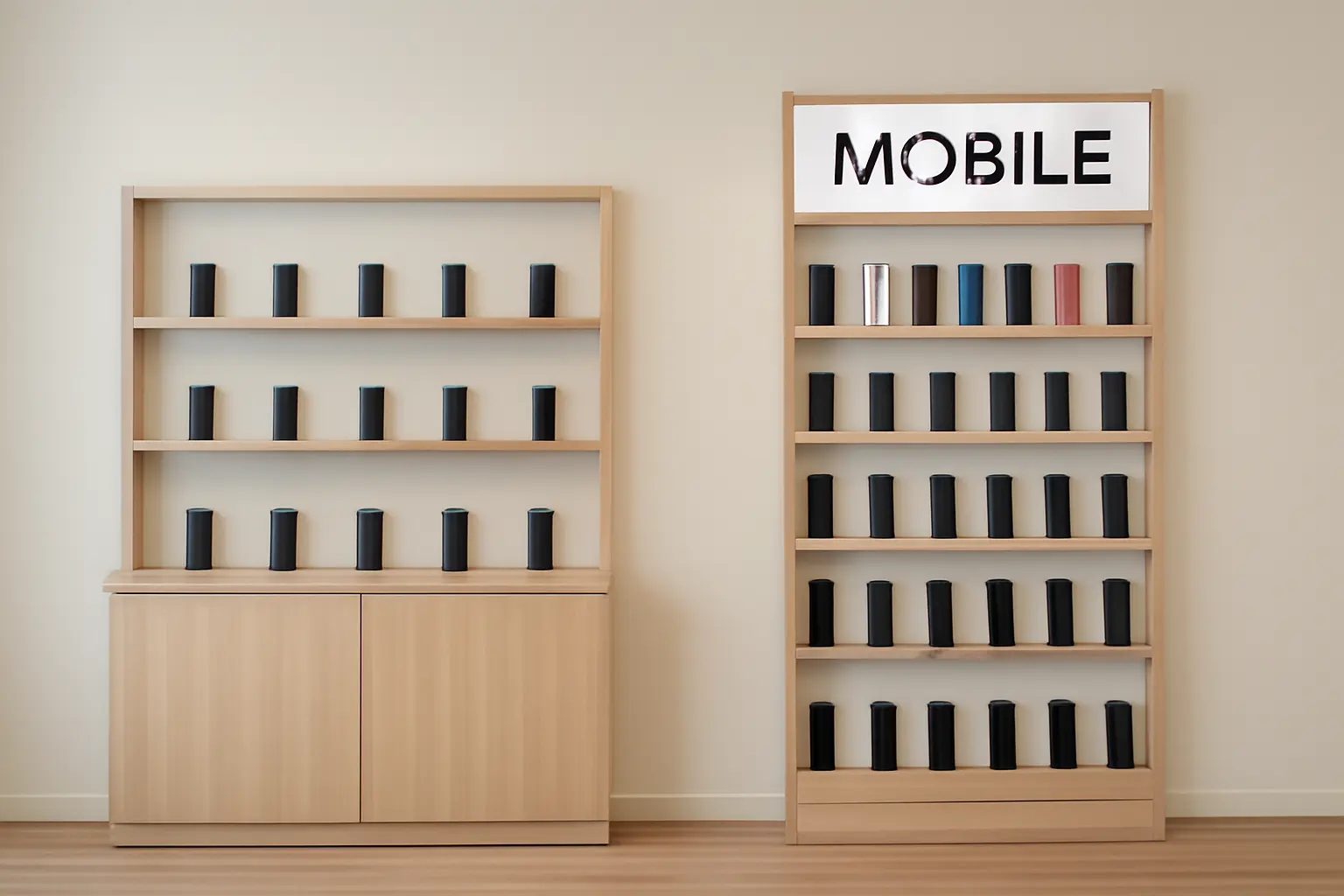
Walls are often the most underutilized part of a mobile shop, yet they hold the key to both visual impact and functional efficiency. In a small or medium-sized store, how you design and use your walls can make a major difference in how organized, spacious, and attractive the shop feels. A smart wall design doesn’t just look good—it works hard.
Start by viewing your walls as vertical real estate. Instead of letting them sit empty or stuffing products in random spots, you can create dedicated display zones. Use floating shelves, modular grid panels, or slat walls with hooks to show off smartphones, accessories, and new arrivals. This not only saves floor space but also makes products more visible and easier to access for both staff and customers.
If you want a modern touch, go for acrylic panels with soft backlighting or LED edge strips along wall-mounted displays. These give a techy, futuristic feel without costing a fortune. You can also include highlight sections—like a bold-colored feature wall for flagship phones or a corner display for bestsellers and deals of the month.
Wall color matters, too. Lighter tones like off-white, light grey, or beige open up the space and make your products stand out. Dark walls can work too, but only if you’ve got strong lighting to balance it out. You could even add a custom mural or a geometric paint pattern to give your shop a unique look that sets it apart.
Lastly, remember to leave some breathing space. Don’t overload every inch with shelves and posters. Sometimes, a clean wall with just your brand logo or a glowing product image can make a stronger impression than a cluttered one.
In short, wall design isn’t decoration—it’s strategy. And a good wall setup keeps your shop looking clean, modern, and completely on-brand.
Functional Wall Racks and Display Shelves
Wall racks and display shelves aren’t just about putting products on the wall—they’re about showing off your inventory in a way that makes people want to buy. A well-designed wall rack can turn a basic phone case into a must-have item, and the right shelf setup can make even a small shop feel professional and organized.
Let’s start with the basics: wall-mounted racks. These are great because they free up floor space and let you use your walls efficiently. Go for adjustable metal racks with slots—so you can easily change the arrangement as new stock comes in. Or use slat wall panels with moveable hooks and trays, which let you display everything from phone cases and chargers to earbuds and screen protectors.
For smartphones, consider using clear acrylic display stands on floating shelves. Acrylic gives a clean, modern look and doesn’t visually overpower the product. You can even place small cards below each item showing the price, key features, and any special offers.
Shelves with built-in lighting or LED strips underneath add a premium feel—especially when you're highlighting flagship models or new arrivals. It’s a small investment that creates a big impression.
Also, think about tiered display shelves. These allow you to stack products vertically without hiding anything behind. Customers can quickly see what's available without digging or asking.
Keep functionality in mind, too. Your shelves should be easy to clean, durable, and safely mounted. No wobbly boards or overstuffed displays—it looks bad and feels risky.
And here’s a tip: keep at least one feature wall simple and clean with just 3–5 highlight products. This draws attention, gives a curated feel, and helps the customer focus.
Bottom line? A good wall display should be both smart and stylish—it sells your products while subtly elevating your brand.
Paint, Wallpaper, or Digital Panels – What’s Better?
Choosing the right wall finish can set the tone for your entire shop. If you’re on a tight budget, paint is your go-to. A fresh coat in soft white, pastel grey, or light beige makes your shop feel clean and open. It’s cheap, quick, and easy to update.
Wallpaper adds a bit more personality—great for feature walls behind counters or product displays. Go for simple patterns or textures like wood grain or geometric lines. Just avoid anything too flashy or distracting.
If you want something modern and techy, digital panels are a sleek option. These are screens or printed backlit boards that can show rotating offers, brand visuals, or product ads. They look premium—but cost more.
The best mix? Paint for most walls, one wallpaper feature wall, and a single digital display if the budget allows. It keeps your design balanced, professional, and easy on the eyes.
Wall Color Psychology and Product Arrangement
Colors don’t just decorate a shop—they influence how customers feel and shop. For mobile shops, stick to light and neutral tones like soft white, cool grey, or cream. These colors make the space feel open, modern, and calm. They also help your products—usually darker or more colorful—stand out.
Want to trigger action? Add splashes of energetic colors like orange (for excitement) or blue (for trust and reliability) in key areas like near the counter or behind displays. Avoid too many dark shades; they can make a small shop feel cramped.
Now, for product arrangement: place high-demand items at eye level. Accessories and impulse buys—like phone cases or chargers—should go near the entrance or checkout counter. Use symmetry where possible. It helps the space feel more organized and polished.
In short, your walls can guide the customer’s eye, mood, and movement—all with a few smart color and layout decisions.
Mobile Shop Interior Design Ideas to Inspire You
Interior design isn’t just about how a shop looks—it’s about how it feels. And in the mobile retail world, the right design can help you stand out from the crowd, even if you’re competing with bigger names. Whether you're working with a cozy corner shop or a decent-sized unit in a shopping complex, these inspiring mobile shop interior ideas can help you create a space that feels modern, efficient, and customer-friendly.
One simple yet effective idea? Zoning your shop into clear sections. Have one wall just for smartphones, another for accessories, and a small counter space for billing and repairs. It makes the experience smoother for customers and keeps the space from feeling chaotic.
If you’re feeling creative, consider using textures and levels—like raised display tables or recessed shelves with lighting underneath. These subtle details add depth and interest without needing a lot of money.
Mirrors and glass elements also help. A few mirrored panels or glass display cabinets make your shop feel more open and spacious. Paired with warm lighting, they create an atmosphere that’s both welcoming and professional.
You can also explore tech-friendly features, like a tablet-based product catalog or QR codes beside phones that customers can scan for more info. It gives a modern touch and reduces the need for printed material.
Lastly, don’t underestimate the power of a comfortable environment. Add a cushioned stool for waiting customers, use a scent diffuser for a fresh aroma, and keep soft background music playing. These tiny, human touches can make your store feel less like a transaction zone and more like a place worth returning to.
Interior design is your silent salesman—make it speak clearly, creatively, and comfortably.
Creative Layout Ideas for Corner, U-shape & Island Setups
The layout of your mobile shop isn’t just about where things go—it’s about how people move, look, and shop. Depending on your space, choosing the right layout—corner, U-shape, or island—can completely change the shopping experience and make your shop more effective without adding any extra square footage.
Corner layouts work great in smaller shops or narrow spaces. Use the two adjoining walls to display phones and accessories, keeping the billing counter either in the far end or diagonally opposite the entrance. It’s simple, cost-effective, and gives customers a natural path to follow.
U-shaped layouts are perfect for medium-sized shops. Display walls wrap around three sides, with the middle left open for movement. The billing counter fits either at the bottom of the “U” or one of the sides. This setup creates a looped flow, encouraging customers to view more products as they walk around.
Island setups work best in larger spaces or open-concept stores (like kiosks inside malls). In this layout, the central island displays flagship models, with wall shelves or racks for accessories surrounding it. It gives a premium showroom feel and encourages interaction from all sides.
A few layout tips regardless of shape:
- Keep pathways clear (at least 3 feet wide).
- Don’t crowd every wall; leave space to breathe.
- Place bestsellers and deals at eye level and near entry points.
- Use layout to subtly guide movement—enter from left, exit right, for example.
A smart layout makes your shop feel bigger, easier to explore, and more inviting—even on a tight budget. Remember, layout isn’t decoration—it’s strategy in motion.
Mix Modern & Traditional Touches for Local Appeal
In today’s market, blending modern design with traditional charm can be a winning formula—especially in regions where customers value both innovation and familiarity. A mobile shop doesn’t have to look like a cold tech showroom; it can feel warm, relatable, and culturally connected, all while staying up-to-date.
Let’s start with the modern side. Think clean displays, LED lighting, digital signage, and sleek product stands. These show that your shop is serious about quality and innovation. But instead of going fully minimal or futuristic, add a few traditional elements that speak directly to your local audience.
For example, use wooden textures or handcrafted patterns in your counter panels or wall borders. A carved wooden frame for your shop name behind the billing desk? Beautiful and memorable. You could also hang a framed calligraphy piece, a regional art print, or even a local-language welcome sign—it shows personality and makes people feel more at ease.
In terms of color, try mixing contemporary neutrals like grey and white with earthy tones like terracotta, mustard, or olive green. These colors blend well and bring a touch of culture into a modern palette.
Even background music can help—modern instrumental beats mixed with soft regional melodies create a relaxing shopping mood. Scented air fresheners with traditional fragrances like sandalwood or jasmine? Small detail, but unforgettable.
Most importantly, let your staff reflect this blend too. Friendly greetings in local language, paired with neat uniforms or subtle branded T-shirts, create a balance of approachability and professionalism.
Blending modern with traditional isn’t about decoration—it’s about connecting with people. When customers walk in and feel both impressed and “at home,” they’ll stay longer, trust you more, and keep coming back.
Mobile Phone Shop Design Trends in 2025
The mobile phone retail space is evolving quickly—and in 2025, shop design is no longer just about selling gadgets. It’s about creating an experience. Customers today want to feel something when they walk into a store: trust, comfort, excitement—even a sense of belonging. So, if you’re planning a new shop or a redesign, here are the top mobile shop design trends in 2025 to inspire your space.
First and foremost: modular and flexible layouts. Shop owners are now using movable racks, foldable tables, and mobile counters to regularly update layouts, promote new launches, or even host in-store demos without needing a full renovation. It keeps the shop dynamic and fresh.
Next is the rise of tech-enabled spaces. Think QR codes beside phones for self-service product info, digital pricing displays that auto-update, and wall-mounted tablets showing comparisons or reviews. These small integrations make the customer feel in control—and that's a big plus.
One major visual trend? Soft, warm tones with natural textures. Harsh white tiles are out. Now it’s about beige, muted greens, or terracotta walls, with wooden or faux-stone finishes to create a cozy atmosphere that still feels modern.
Sustainability is also huge in 2025. Recycled materials, minimal plastic, and eco-friendly lighting are being used more—customers appreciate shops that care about the environment.
Finally, hybrid spaces are on the rise. Some mobile shops are adding a mini lounge corner, a charging station, or even a live demo area for gadgets. These extra touches aren’t expensive—but they make your shop feel more like a tech hub than just a retail counter.
In short, 2025 is about designing for connection, curiosity, and convenience. If your shop reflects those values, it won’t just look good—it’ll sell better too.
You may also like to read these posts:
Shopping Mall Jobs in Delhi: Find the Best Roles Vacancies in NCR
Shopping Malls Near IGI, Sarojini Nagar, CP More: Your Ultimate Guide
Best Sweet Shop Delhi | Authentic Indian Sweets
Best Shopping Malls in Delhi: A Guide to Top Retail Destinations


