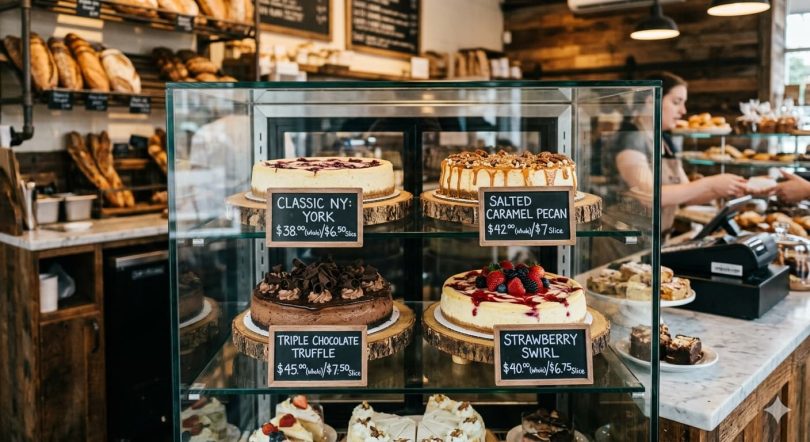

Cheesecake remains one of the most beloved desserts across cultures, celebrated for its rich texture, versatile flavors, and enduring appeal at everything from casual family dinners to elegant celebrations. As consumer interest in premium desserts continues to grow, understanding cheesecake prices has become increasingly relevant — not just for bakers and business owners, but for everyday buyers navigating bakery menus, grocery aisles, and online orders. The price of a single cheesecake can range from a few dollars to well over a hundred, and that gap demands explanation.
The factors driving cheesecake prices are more layered than most consumers realize. Ingredient quality, labor, portion size, geographic location, and brand reputation all interact to produce the final number on a price tag. Individuals who understand these dynamics are better equipped to assess value, make smarter purchasing decisions, and avoid overpaying for products that do not justify their cost.
As ingredient costs fluctuate globally and artisan food culture continues to elevate consumer expectations, cheesecake pricing will remain a moving target. Buyers and sellers alike must stay informed to navigate this landscape effectively.
Understanding the Baseline: What Cheesecakes Actually Cost
Grocery Store Cheesecakes
Grocery store cheesecakes represent the most accessible entry point in the market. Most standard options sold at major supermarkets range from $8 to $20, depending on size and brand. These products prioritize consistency and shelf stability over artisan craftsmanship.
Store-brand cheesecakes typically fall at the lower end of this range, while recognizable national brands such as Sara Lee or Philadelphia command slightly higher prices. The tradeoff involves ingredients — mass-produced versions often rely on stabilizers and lower-fat dairy to maintain margins.
Bakery and Specialty Shop Pricing
Independent bakeries and specialty dessert shops occupy the mid-to-premium tier of the cheesecake market. A whole cheesecake from a reputable local bakery typically costs between $25 and $60, with individual slices ranging from $5 to $10.
These prices reflect fresher ingredients, smaller production batches, and skilled labor. Specialty flavors — salted caramel, matcha, seasonal fruit — further push prices upward. Consumers purchasing from independent bakeries are paying for both product quality and the expertise behind it.
Premium and Luxury Cheesecakes
At the upper end of the market, luxury cheesecakes command prices from $60 to $150 or more. These products typically feature imported ingredients, hand-crafted crusts, and elaborate decorative finishes. Renowned brands and high-end patisseries position these items as gift-worthy indulgences rather than everyday desserts.
Price range overview:
- Grocery store (whole): $8–$20
- Local bakery (whole): $25–$60
- Premium/luxury (whole): $60–$150+
- Individual slice (bakery): $5–$10
- Individual slice (café/restaurant): $7–$14
Key Ingredients That Drive Cheesecake Costs
Cream Cheese as the Primary Cost Driver
Cream cheese serves as the foundational ingredient in any cheesecake, and its market price directly shapes the final product cost. Full-fat, block-style cream cheese — the standard for quality cheesecakes — costs significantly more than whipped or reduced-fat alternatives. Fluctuations in dairy commodity markets therefore ripple directly into cheesecake pricing.
A single high-quality cheesecake may require two to four packages of premium cream cheese, making this ingredient the largest single cost component in most recipes. Artisan bakers who refuse to compromise on dairy quality absorb these costs and reflect them in their pricing.
Specialty Additions and Premium Toppings
The inclusion of specialty ingredients — fresh berries, imported chocolate, real vanilla bean, or liqueur-based flavors — represents an additional and often significant cost layer. Ingredients such as high-grade matcha powder, saffron-infused cream, or Valrhona chocolate dramatically increase production costs.
Common premium ingredients and their cost impact:
- Fresh seasonal fruit toppings: adds $3–$8 per cheesecake
- High-grade chocolate (70%+ cocoa): adds $4–$10 per cheesecake
- Real vanilla bean (versus extract): adds $2–$5 per cheesecake
- Imported specialty cheese (mascarpone, ricotta): adds $5–$12 per cheesecake
Crust Composition and Its Overlooked Role
The crust, while often secondary in discussion, contributes meaningfully to both flavor and cost. A standard graham cracker crust remains inexpensive. However, shortbread crusts, nut-based crusts, or those incorporating specialty cookies such as Oreo or Biscoff require more costly components and additional labor time.
Bakers who craft crusts from scratch rather than using pre-made bases invest more time per unit, and that labor cost requires recovery through pricing. Consumers who value a well-constructed crust must expect to pay accordingly.
Labor and Expertise: The Hidden Price Component
The Time Investment in Cheesecake Production
Cheesecake demands more production time than most desserts. Proper preparation requires softening ingredients, careful mixing to avoid over-aeration, extended baking at precise temperatures, and a cooling period that often spans several hours or overnight. Rushing any stage compromises texture and structural integrity.
A professional baker may invest three to five hours of active and passive time in producing a single high-quality cheesecake. This labor cost, calculated at professional hourly rates, ensures that skilled artisan cheesecakes cannot be priced at grocery-store levels without operating at a loss.
Skill Level and Technique
Baking a cheesecake that is crack-free, properly set, and uniformly textured requires genuine expertise. Techniques such as water bath baking, proper temperature calibration, and knowing when a cheesecake has reached the ideal internal consistency all demand developed skills.
Professional techniques that add value:
- Water bath (bain-marie) baking for smooth, crack-free surfaces
- Precision temperature control throughout the baking process
- Proper emulsification of dairy and egg components
- Controlled cooling to prevent structural collapse
Custom Orders and Personalization
Custom cheesecakes — those designed for weddings, corporate events, or themed celebrations — command premium prices that reflect both ingredient costs and significant design labor. Decorative elements, custom flavor combinations, and tiered presentations require additional hours of skilled work.
Individuals placing custom orders should anticipate prices that are 30–80% higher than standard offerings. This premium is not arbitrary; it reflects the genuine resource investment that personalization demands.
Geographic and Market Factors That Influence Pricing
Urban Versus Rural Pricing Disparities
Location serves as one of the most powerful determinants of cheesecake pricing. Bakeries operating in major metropolitan areas — New York, London, Dubai, or Singapore — face higher rent, labor, and operational costs, all of which transfer to the consumer. A cheesecake priced at $35 in a small town may cost $65 in a high-rent urban district for an equivalent product.
Consumers in urban centers must understand that a portion of every purchase price covers overhead costs unrelated to the cheesecake itself. This reality requires recalibrating value expectations based on geography.
Online and Delivery Market Pricing
The growth of online cheesecake retailers and same-day delivery platforms has introduced a new pricing tier that many consumers find surprising. Shipping-safe cheesecakes require specialized packaging, dry ice or gel pack systems, and expedited freight — all of which add $15–$40 or more to the base product cost.
Cost components in online cheesecake orders:
- Base product price: $25–$80
- Specialty packaging materials: $5–$15
- Cold-chain shipping: $15–$40
- Handling and fulfillment fees: $5–$10
Seasonal and Holiday Pricing
Demand surges during holidays — Thanksgiving, Christmas, Valentine’s Day, and Easter — consistently drive cheesecake prices upward. Bakeries and retailers respond to increased order volumes by raising prices, extending lead times, and in some cases limiting customization options.
Individuals who plan purchases in advance and place orders outside peak periods often secure better pricing. Waiting until the week of a major holiday represents one of the most common and avoidable causes of overpaying for cheesecakes.
Evaluating Value: When High Prices Are Justified
Ingredient Transparency and Sourcing
Reputable cheesecake producers who justify premium prices typically demonstrate ingredient transparency. They identify their cream cheese brand, sourcing of eggs, origin of vanilla, and whether fruits are fresh or frozen. This transparency strengthens consumer confidence and validates pricing.
Buyers should treat a lack of ingredient information as a potential indicator that costs have been reduced through lower-quality substitutions. Premium pricing requires premium ingredients, and producers confident in their sourcing have no reason to conceal it.
Certifications and Dietary Accommodations
Cheesecakes that carry certifications — gluten-free, kosher, halal, organic, or vegan — require additional compliance costs, alternative ingredients, and often separate production environments. These requirements legitimately increase production costs and justify higher price points.
Certifications that typically elevate cheesecake prices:
- Certified gluten-free (dedicated facility requirements)
- Organic dairy certification
- Kosher or halal supervision and certification fees
- Vegan formulation (cashew-based or tofu-based alternatives)
- Non-GMO verified ingredients
Reputation, Reviews, and Track Record
Established bakeries with consistent five-star reviews, media recognition, or award history build reputational equity that legitimately supports premium pricing. Consumers pay not only for the product in hand but for the confidence that comes from a proven track record.
Individuals evaluating whether a price is justified should research a producer’s reputation before dismissing their pricing as excessive. A $70 cheesecake from a nationally recognized bakery may represent better value than a $45 option from an unverified source.
Strategies for Buying Cheesecake at the Best Price
Timing Purchases Strategically
Timing remains among the most effective tools for managing cheesecake costs. Ordering outside holiday windows, purchasing day-old inventory at discounts, and taking advantage of bakery loyalty programs all reduce expenditure without sacrificing quality.
Many bakeries offer end-of-day discounts on unsold whole cheesecakes to avoid waste. Individuals who establish relationships with local bakeries are often first to learn about these opportunities.
Comparing Unit Costs Across Formats
Consumers frequently compare whole cheesecake prices without accounting for portion yield. A $45 cheesecake yielding 12 generous slices costs $3.75 per serving — considerably less than purchasing individual $7 slices from the same bakery.
Comparison of cost-per-serving across formats:
- Grocery store whole cheesecake: $1.00–$2.50 per slice
- Bakery whole cheesecake: $3.00–$6.00 per slice
- Individual bakery slice: $5.00–$10.00 per slice
- Restaurant dessert serving: $7.00–$14.00 per slice
Considering Home Baking as a Cost Alternative
Home baking represents a viable cost-reduction strategy for consumers willing to invest time and develop basic skills. Ingredient costs for a quality homemade cheesecake typically range from $12 to $25, yielding a product competitive with mid-range bakery offerings at a fraction of the price.
The investment in proper equipment — a springform pan, a stand mixer, and an oven thermometer — pays dividends across many future batches. Individuals who bake cheesecakes regularly find that per-unit ingredient costs decrease as they purchase supplies in bulk.
FAQs about Cheesecake Prices
Why does cheesecake cost more than other cakes? Cheesecake requires larger quantities of expensive dairy ingredients, particularly cream cheese, compared to flour-based cakes. It also demands longer production time, precise temperature management, and extended cooling periods. These factors combine to make cheesecake inherently more resource-intensive than most other baked goods.
What is a reasonable price to pay for a whole cheesecake? A reasonable price depends on the source. Grocery store cheesecakes in the $10–$20 range offer acceptable quality for casual occasions. Bakery cheesecakes in the $30–$55 range deliver noticeably better quality for important events. Prices above $60 are justified when specialty ingredients, custom design, or renowned reputation are involved.
Why are online cheesecakes so expensive? Online cheesecakes carry the base product cost plus significant shipping infrastructure expenses. Cold-chain packaging, dry ice, expedited freight, and fulfillment labor collectively add $20–$50 to the product price. Consumers purchasing cheesecakes online are effectively paying for a perishable item to arrive safely across distances, which requires substantial logistical investment.
Do more expensive cheesecakes taste significantly better? Not universally. Price correlates with quality up to a point, but the relationship is not linear. A $40 bakery cheesecake often surpasses a $90 branded option in flavor, depending on the baker’s skill and ingredient choices. Consumers achieve best results by reading ingredient lists and reviews rather than relying solely on price as a quality indicator.
How can individuals reduce cheesecake costs without sacrificing quality? Purchasing whole cheesecakes rather than individual slices dramatically reduces per-serving cost. Ordering outside holiday periods avoids demand-driven price surges. Exploring local bakeries rather than national chains often yields higher quality at lower prices. Home baking, for those with time and interest, delivers the greatest cost savings while allowing full control over ingredient quality.
Conclusion
Understanding cheesecake prices requires examining the full spectrum of contributing factors — from dairy ingredient costs and skilled labor to geographic overhead, seasonal demand, and delivery logistics. Consumers who recognize these layers make more informed purchasing decisions, identify genuine value, and avoid paying premiums that products do not merit. Comparing unit costs across formats, timing purchases strategically, and evaluating ingredient transparency all serve as essential practices for navigating this market. As premium dessert culture continues to grow and ingredient costs remain subject to global fluctuation, staying informed about cheesecake pricing ensures that every purchase — whether a $12 grocery store option or a $90 artisan creation — delivers the value it promises.